
By The KTech team · Published 29 October 2026
If you let a cottage, flat or cabin to holiday guests, you probably supply kettles, toasters, hairdryers, lamps and televisions. Those appliances belong to you, and guests, agents and insurers all have an interest in whether they are safe.
PAT testing is the usual way owners demonstrate that portable electrical items have been checked. This guide explains what it is, what the legal position actually is, how often to test, and what records to keep. We also test for holiday lets and other premises, and our pricing is on its own page.
What PAT testing is
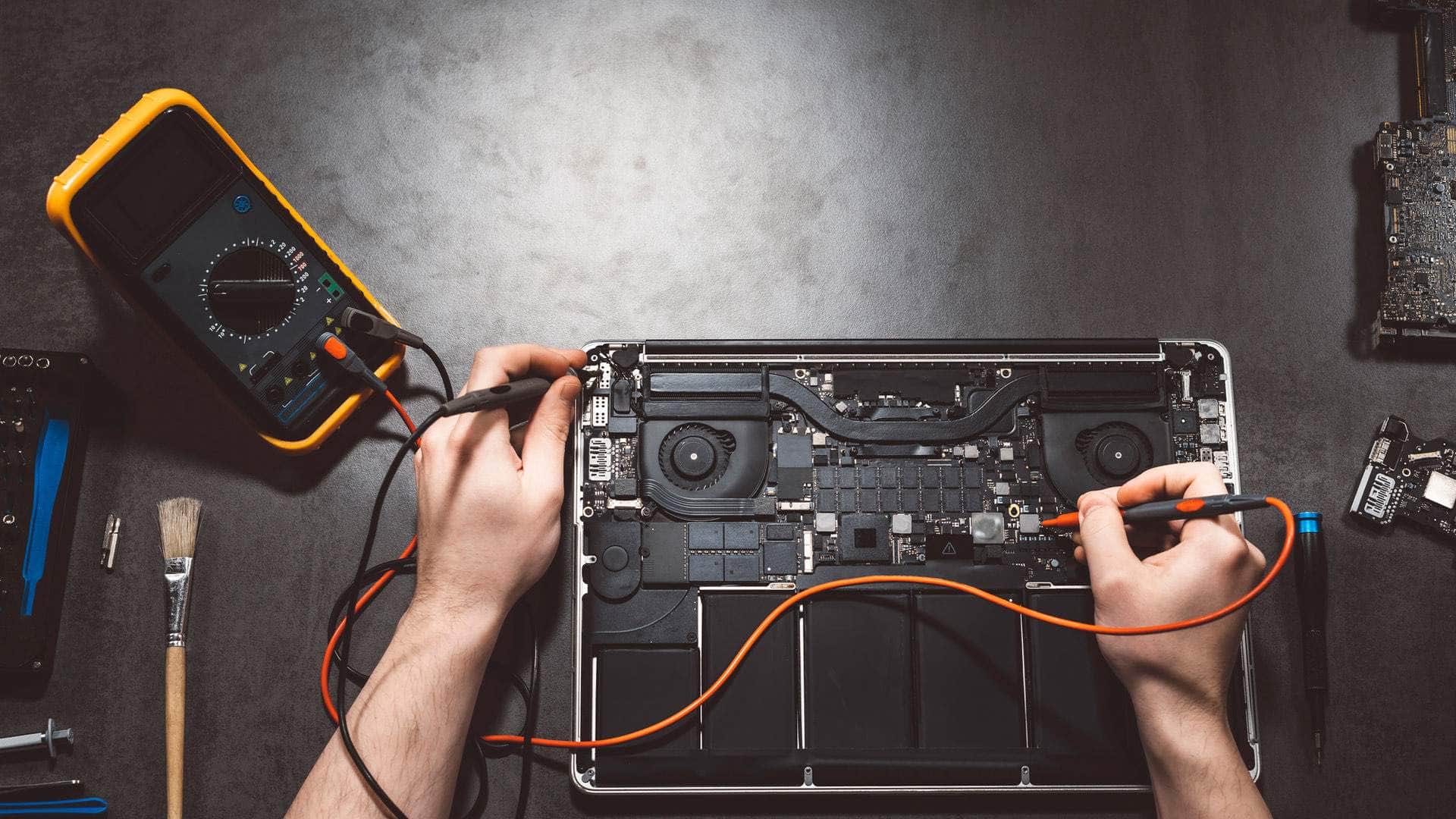
PAT stands for portable appliance testing. A competent person examines and tests portable electrical equipment, meaning anything with a plug, to check it is safe to use. That includes a visual examination of the plug, flex and casing, and electrical tests that can find faults you cannot see.
The Health and Safety Executive makes the point that visual inspection is an essential part of the process, because some faults only show up by looking, while others only show up by testing. A good tester does both.
What the law says
It is easy to overstate this, so here is the careful version. The Health and Safety Executive's guidance says that the Electricity at Work Regulations 1989 require electrical equipment that could cause injury to be maintained in a safe condition. The regulations do not say what must be done, who must do it, or how often. In other words, PAT testing itself is not a specific legal requirement and there is no fixed legal interval.
What is required is that you take reasonable steps to keep the equipment you provide safe. For many owners, regular inspection and testing is the most practical way to do that and to show that you have. You can read the HSE's own explanation in its PAT testing questions and answers.
Separate rules apply to fixed electrical installations, and other duties apply to landlords of long-term lets. If you are unsure which apply to your property, check official guidance or speak to your agent or insurer.
Why holiday-let owners and agents ask for it
- Guests are not familiar with your equipment, so any fault is more likely to be missed.
- Letting agents and booking managers often want evidence that appliances have been checked.
- Insurers may ask what safety checks you carry out when you make a claim.
- A dated record shows that you took your responsibilities seriously if something goes wrong.
- Equipment in lets gets heavy and varied use, with people packing, unpacking, plugging in and moving things around.
How often should you test?
There is no single answer, because the HSE says frequency depends on the type of equipment and the environment where it is used. A kettle that is used every day by different guests is in a different position from a table lamp in a spare room.
A common approach for holiday lets is to carry out a formal inspection and test once a year, ideally before the busy season, and to have a simple user check at each changeover. Your cleaner or housekeeper can look for damaged cables, cracked plugs, scorch marks and loose fittings, and report anything unusual.
If equipment is damaged or has been moved to a new property, check it sooner. Anything that fails should be taken out of use until it is repaired or replaced.
Records and labels
The HSE says that labelling and record-keeping are not legal requirements, but they are good practice, and they help you see what has been tested and when. A tidy list with the item, location, date, result and next check due is useful for you, your agent and your insurer.
Keep the records with your other property documents, and keep a copy off site as part of your regular backups. Our guide to backups for holiday-let owners explains how.
Booking a test
We carry out PAT testing for holiday lets, small businesses and community buildings across the South Hams. You can see how it works and the testing prices on our PAT testing page, which is kept up to date. We keep results clear and easy to share with agents.
If you own a harbourside cottage or a holiday home near the quay, we also cover PAT testing in Salcombe, as well as every property around Kingsbridge and the estuary.
What gets tested, and what happens to failures
In a holiday let, the list is usually longer than owners expect: kettles, toasters, microwaves, hairdryers, irons, lamps, televisions, chargers, extension leads, fans, heaters and anything else with a plug that guests might use. Items that are fixed in place or wired in are treated differently, and a tester will explain what falls inside the scope.
If an item fails, it should be taken out of use straight away and either repaired by a competent person or replaced. A tester can mark it clearly so nobody plugs it back in by accident. Keeping a small supply of spare kettles and hairdryers is a sensible habit, because it means a failure on a Friday does not leave guests without.
Make sure whoever tests also looks at the sockets, extension leads and adaptors you leave in the property. These are used more heavily than owners realise, and they are a common place for damage to show up.